

Nigeria is grappling with multiple forms of malnutrition, with undernutrition, micronutrient deficiencies, overweight, obesity and diet-related diseases increasingly coexisting within individuals, households and communities, a nutrition expert has warned.
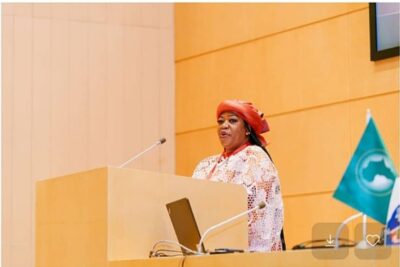
Professor of Human Nutrition at Michael Okpara University of Agriculture, Umudike (MOUAU), Abia State, Chinyere Akúdo Echendu, said food insecurity, poverty, inadequate maternal education, poor sanitation and limited access to healthcare were worsening the country’s nutrition challenges.
She also identified the growing consumption of highly processed, energy-dense foods with low nutritional value as a contributing factor, warning that the problem could not be addressed solely by encouraging individuals to make healthier food choices.
Echendu, who spoke while delivering MOUAU’s 77th inaugural lecture, titled “Nutrition: Eating to Live in a Demanding Food Environment,” maintained that malnutrition was increasingly shaped by the prevailing food environment, including the availability, affordability and accessibility of nutritious meals.
According to her, food inflation, insecurity, climate change, unsafe agricultural practices and aggressive marketing of cheap, energy-dense foods were among the factors undermining healthy eating in Nigeria.
She also identified cultural practices that deny women and children access to nutritious foods as part of the problem.
Illustrating the financial difficulties confronting households, Echendu disclosed that the cheapest healthy diet cost N1,589 per adult daily in April 2026.
She said a worker earning the national minimum wage of N70,000 monthly would spend about two-thirds of the salary feeding one adult, while feeding a family of five would cost more than three times the monthly minimum wage.
“In such an environment, eating to live is not a slogan but a daily struggle,” she said.
The professor explained that multiple malnutrition referred to the simultaneous presence of different forms of malnutrition within an individual, household or population.
She noted that stunting, wasting and micronutrient deficiencies persisted alongside rising cases of overweight, obesity, hypertension, diabetes and other diet-related non-communicable diseases.
According to her, the coexistence of these conditions presents a complex public health challenge requiring coordinated interventions across households, communities, institutions and government.
She stressed that improving nutrition would require deliberate efforts to make healthy food safer, more accessible and affordable.
For individuals and households, Echendu recommended eating varied and balanced meals, with half of every plate containing fruits and vegetables, a quarter comprising whole grains or starchy staples and the remaining quarter made up of protein.
She also advised Nigerians to reduce their use of cooking oil and combine locally available cereals and legumes, such as rice and beans, maize and pigeon pea, or acha and groundnut, to obtain affordable, good-quality protein.

Fish, eggs and lean meat, she added, should be included in meals whenever affordable, particularly for children, pregnant women and breastfeeding mothers.
The nutrition expert also called on communities, religious organisations and schools to discourage food taboos and cultural practices that prevent women and children from eating nutritious foods, including eggs, meat, fish and snails.
She advocated the integration of nutrition education, meal planning, food budgeting and food safety training into school programmes and antenatal clinics.
Echendu further emphasised the importance of exclusive breastfeeding during the first six months of life and continued breastfeeding until a child is two years old.
On government intervention, she urged authorities to make food affordability a national priority and review the minimum wage against the actual cost of a healthy diet.
She also called for targeted social protection programmes and agricultural input support for vulnerable households and smallholder farmers.
Restoring security in farming communities and supporting displaced farmers to return to their farmlands were among her recommendations for improving food production and availability.
She urged the National Agency for Food and Drug Administration and Control (NAFDAC), the Standards Organisation of Nigeria (SON) and state regulatory agencies to strengthen enforcement against food adulteration, unsafe pesticide use, the misuse of calcium carbide in fruit ripening and excessive preservatives.
Other measures she recommended included routine food testing, front-of-pack warning labels, restrictions on marketing unhealthy foods to children and the enforcement of salt-reduction targets for seasoning cubes and processed foods.
Turning to the university community, Echendu urged MOUAU to establish a healthier food environment on its campus by providing safe drinking water, ensuring hygienic food vending practices through regular microbial checks and creating breastfeeding spaces for staff.
She also called on universities and researchers to expand studies into indigenous foods, particularly their glycaemic index, nutrient bioavailability and shelf life.
She recommended partnerships with small businesses to scale up promising cereal-legume food products and the incorporation of research findings into Nigeria’s food composition tables.
In addition, she proposed regular health and nutrition seminars on campuses to educate students and staff about the risk factors, warning signs, symptoms and management of non-communicable diseases.
Echendu also called on medical doctors at the university health centre to lead awareness programmes that promote healthier lifestyles and improve understanding of diet-related illnesses.
She however maintained that tackling Nigeria’s malnutrition burden requires more than individual dietary changes. She stressed that government policies, food regulation, agricultural support, nutrition education and institutional commitment must work together to create an environment where Nigerians can afford and access healthy meals.