
A Nigerian maritime and coastal tourism expert, Dr Chizoba Christiana Anyika, has warned that inadequate access to clean water, poor sanitation and environmental pollution pose serious threats to public health and sustainable economic development across African communities.
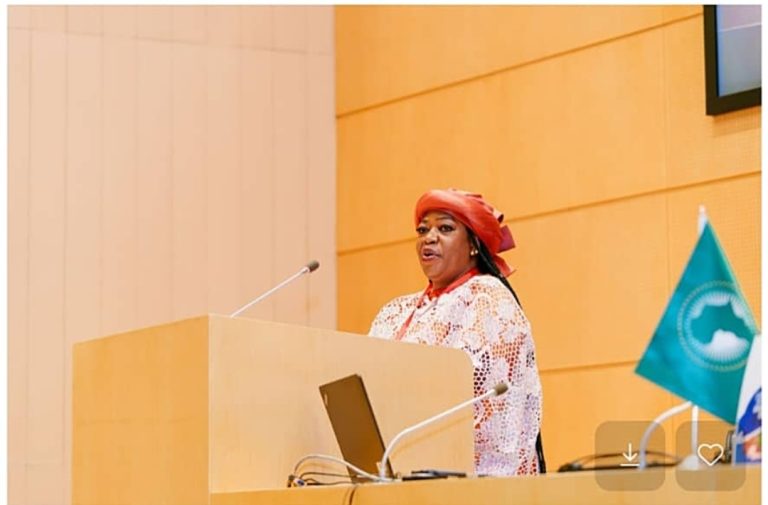
Anyika made the call while speaking at the African Tourism Dialogue at the African Union Headquarters in Addis Ababa, Ethiopia, where she presented a paper titled, ‘Unlocking Africa’s Tourism Potential Through Water Security and Safe Sanitation’.
She called on African governments, development institutions and private-sector stakeholders to prioritise water security, improved sanitation and environmental protection, warning that the continent’s tourism ambitions could be undermined without adequate investment in these critical areas.
She said access to safe water and effective sanitation systems should no longer be treated solely as environmental concerns but as essential requirements for public health, economic productivity and community wellbeing.
According to her, polluted beaches, unsafe water supplies, poor waste disposal systems and deteriorating aquatic ecosystems could expose communities to health risks while discouraging tourism investment.
“Africa cannot build globally competitive tourism destinations while host communities struggle with inadequate access to clean water, poor sanitation and environmental degradation.
“Sustainable tourism must create value for both visitors and the communities that sustain these destinations,” she said.
Her presentation aligned with the African Union’s 2026 Theme of the Year, ‘Assuring Sustainable Water Availability and Safe Sanitation Systems to Achieve the Goals of Agenda 2063’.
The theme highlights the importance of sustainable water management, improved sanitation and resilient infrastructure in advancing Africa’s socioeconomic development.
Speaking on the relationship between water sustainability and tourism competitiveness, Anyika maintained that reliable water infrastructure and environmental protection were essential to building healthy, resilient and attractive tourism destinations.
She said African countries must integrate sustainable water management, climate resilience and environmental safeguards into their national development and tourism strategies.
The maritime expert also highlighted the potential of Africa’s blue economy, particularly marine and coastal tourism, to create employment and expand economic opportunities.
She identified Nigeria’s coastal states, including Lagos, Ogun, Ondo, Delta, Bayelsa, Rivers, Akwa Ibom and Cross River, as areas with significant opportunities for sustainable waterfront development, marine recreation, ecotourism and community-based tourism.
However, she cautioned that these opportunities could only be realised through deliberate investment in clean water infrastructure, sanitation, visitor safety and environmental conservation.
Anyika further called for stronger collaboration among government ministries and agencies responsible for water resources, tourism, transportation, environment and maritime affairs to ensure effective implementation of development policies.

She also advocated public-private partnerships to support water-efficient hospitality facilities, improved sanitation systems and responsible management of natural resources.
Emphasising the need for inclusive development, she said tourism investments should benefit host communities, particularly women, young people, small businesses and indigenous entrepreneurs.
She urged policymakers to introduce measures that would promote skills development, access to financing, local enterprise participation and sustainable employment.
Anyika noted that the success of the African Union’s Agenda 2063 should be measured not only by tourism revenue and visitor numbers but also by improvements in infrastructure, environmental protection, employment and community wellbeing.
She encouraged African governments to develop investment frameworks capable of attracting responsible private-sector funding into sustainable tourism infrastructure and blue economy enterprises.
“Africa must move from tourism potential to tourism productivity, from policy declarations to practical implementation, and from resource abundance to shared prosperity,” she said.
She also stressed the importance of aligning tourism investments with the United Nations Sustainable Development Goals, particularly Goal Six on clean water and sanitation, Goal Eight on decent work and economic growth, Goal 11 on sustainable cities and communities, and Goal 14 on life below water.