
An estimated 4.2 million Nigerians aged 40 and above are blind or living with visual impairment, with more than one million having lost their sight completely, largely from preventable or treatable conditions, Sightsavers Nigeria has disclosed.
The organisation’s Eye Health Officer, Dr Joshua Ibenu, said about 84 per cent of blindness in Nigeria was avoidable, warning that inadequate access to eye care was worsening the country’s public health and economic challenges.
Speaking at a meeting with the organisation’s media partners in Keffi, Ibenu said only 4.4 per cent of Nigerians currently had access to quality eye care services, leaving millions vulnerable to preventable vision loss.
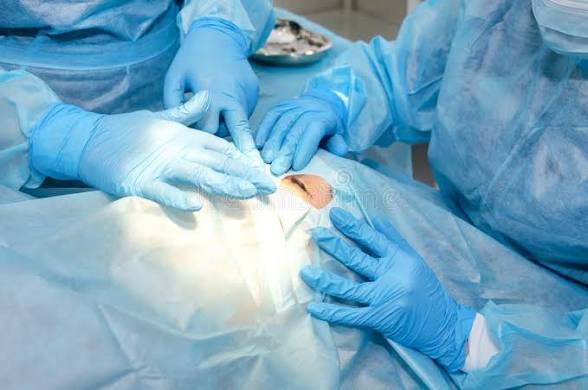
He identified cataracts as a major cause of blindness, accounting for about 43 per cent of cases in the country, and stressed that timely surgery could restore sight in many affected people.
According to him, cataract surgery can take between 15 and 20 minutes in suitable cases, making the limited access to such treatment particularly concerning.
Ibenu said blindness also imposed significant economic costs on households and the country, as affected individuals often depended on family members for mobility and everyday activities.
He explained that such dependence reduced the productivity of both the affected person and the relative providing assistance, resulting in lost income and increased financial pressure on families.
“Poor vision causes Nigeria millions of naira annually due to lost productivity and income,” he said, adding that one case of blindness could affect at least two people: the person who loses sight and the individual providing care.
He cited research indicating that every dollar invested in cataract surgery could generate approximately $28 in economic returns through improved productivity and other benefits.
Ibenu also highlighted the economic benefits of providing spectacles to workers, particularly artisans whose occupations require good eyesight.
He said studies and programme experiences showed that correcting refractive errors could improve workers’ productivity by about 30 per cent, citing mechanics who struggle to handle small vehicle components because of poor vision.
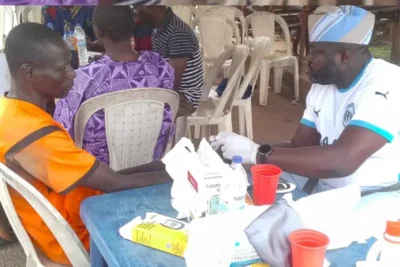
On its interventions, Ibenu disclosed that Sightsavers had screened more than 4.6 million Nigerians for eye conditions over the past 10 to 15 years and connected more than 300,000 people to appropriate eye care services.
He added that the organisation had supported more than 14,000 cataract surgeries, screened over 27,000 teachers and healthcare workers, and provided refractive error correction services to more than 60,000 Nigerians.
More than 40,000 spectacles had also been distributed, particularly to children and adults requiring vision correction.
He said the organisation currently operated eye health programmes in seven states and the Federal Capital Territory, while collaborating with federal and state governments to strengthen eye health policies and integrate services into primary healthcare.

Ibenu called for increased government funding, stronger private-sector participation and improved access to trained eye care professionals, particularly in rural communities.
He urged Nigerians experiencing challanges in their vision to seek professional medical attention promptly, warning that delayed treatment could result in avoidable complications.
Meanwhile, Sightsavers’ Senior Finance Officer, Mr Fabian Tukman, called for improved access to economic opportunities and public infrastructure for persons with disabilities.
He said the organisation supported persons with disabilities through revolving funds, skills acquisition, mentorship and employment initiatives, including its Inclusion Works programme, which connects qualified candidates with employers such as MTN.
Tukman, however, lamented that many public facilities, including airports, schools and hospitals, remained inaccessible to persons with disabilities despite the Discrimination Against Persons with Disabilities (Prohibition) Act.
He also disclosed that Sightsavers had worked with the National Teachers Institute to develop inclusive education policy documents and train more than 1,000 teachers.
Additionally, more than 1,500 healthcare workers had received training in disability-inclusive family planning.
On neglected tropical diseases, the organisation’s Technical Manager, Surgery Antibiotics Facial Cleanliness and Environment Improvement (SAFE), Ms Grace Ajege, identified poor sanitation, open defecation and inadequate access to clean water as major obstacles to controlling the diseases.
She called for sustained community awareness, environmental sanitation, facial cleanliness and improved water access, stressing that continuous surveillance was necessary to prevent the re-emergence of infections in previously cleared communities.