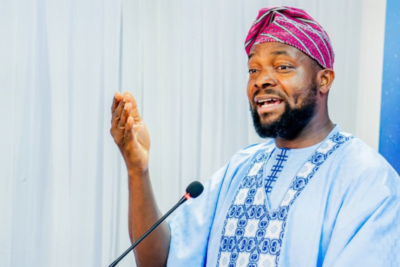

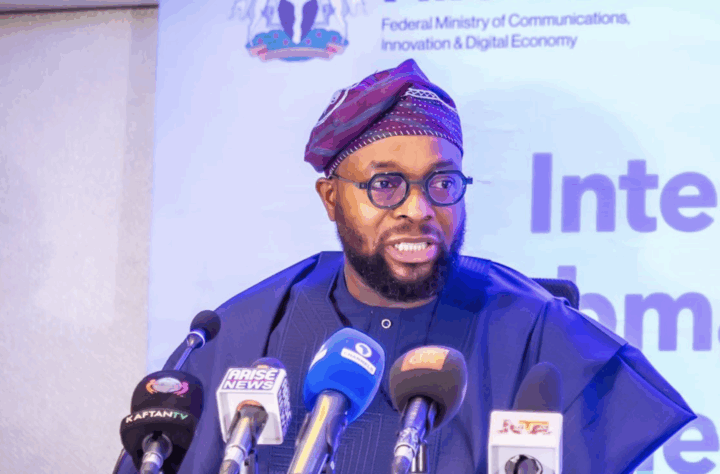
The Minister of Communications, Innovation and Digital Economy, Dr Bosun Tijani, has said the Federal Government will deploy 3,700 telecommunications towers to connect nearly 20 million Nigerians without network access.
Tijani announced the Nigeria Universal Communication Access Project (NUCAP) on Friday, with the commissioning of its first site in Bende Local Government Area of Abia State.
The minister said on X that the project would extend connectivity to communities that have remained without network coverage, with more site launches planned in the coming days, weeks and months.
He said the initiative was aimed at ensuring that people in underserved communities could access opportunities that depend on reliable telecommunications services.
“Imagine going a whole day without a phone signal. You cannot call your family, you can’t receive a payment, and if someone needs urgent help, you cannot make that call,” Tijani said.
The minister said the lack of connectivity affects people whose livelihoods depend on reaching buyers, receiving payments and accessing essential services.
“Think about a farmer who needs to find a buyer, that trader waiting for payment, the mother trying to reach a health worker,” he said.
According to Tijani, the first site in Amaeke, Bende local government area, marks the beginning of a wider rollout intended to bring more communities within telecommunications coverage.
He said the project aligns with President Bola Tinubu’s ambition to build a $1 trillion economy by ensuring that Nigerians have opportunities to contribute to and benefit from economic growth.
“President Bola Ahmed Tinubu ambition for a $1 trillion economy requires every Nigerian to have the opportunity to contribute and share in its prosperity. That is why this investment matters,” Tijani said.
The minister said communities that lack network coverage and have not been included in the deployment plan could report their locations to the ministry for consideration.
Tijani said the initiative was part of the government’s effort to expand digital inclusion and ensure that where people live does not prevent them from accessing economic and social opportunities.