
The Federal Government is set to revive Nigeria’s long-abandoned National Library project in Abuja, raising hopes that the country’s long-awaited centre for knowledge preservation, research and intellectual development may finally become a reality.
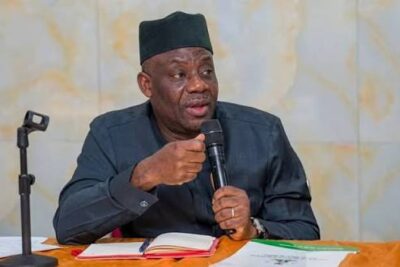
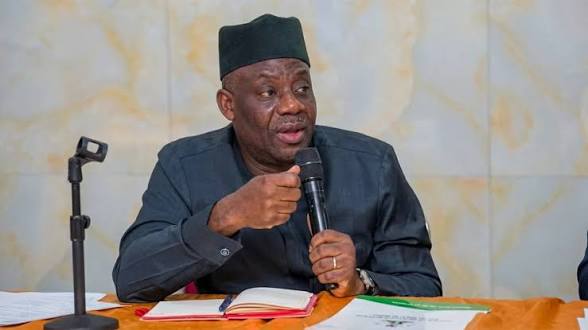
Minister of Education, Dr Tunji Alausa, disclosed this on Wednesday, announcing plans to join the First Lady, Senator Oluremi Tinubu, for the official flag-off ceremony marking the recommencement of construction.
The project, which has suffered years of delays, is regarded as a major national educational infrastructure initiative designed to provide a central repository for Nigeria’s literary heritage and support research, learning and access to information.
Alausa attributed the renewed push to the personal intervention and commitment of the First Lady, expressing optimism that her involvement would help accelerate the project’s completion.
In a post on his official X account, the minister said, “Thanks to the unwavering commitment and personal intervention of Her Excellency, the First Lady of Nigeria, Sen. Remi Tinubu, CON, we are bringing the National Library of Nigeria back to life.”
He described the institution as more than a physical structure, stressing its significance to the country’s educational development and intellectual future.
“More than just a building, the National Library represents our commitment to preserving knowledge, advancing research and creating opportunities for generations of Nigerians to learn and thrive,” he said.
The minister also acknowledged President Bola Tinubu’s support, describing the renewed construction effort as part of the administration’s determination to translate its commitments under the Renewed Hope Agenda into tangible projects.

The National Library project has remained a major concern within Nigeria’s education sector, particularly given the institution’s expected role in preserving the country’s documentary heritage, supporting academic research and strengthening the nation’s knowledge infrastructure.
Its completion is expected to provide researchers, students, academics and other information seekers with improved access to educational resources, while offering a central platform for the preservation of Nigeria’s historical and intellectual records.
Beyond its immediate educational benefits, the project is also considered important to the country’s efforts to strengthen its research capacity and promote a knowledge-driven society.
With the planned flag-off, attention will now shift to the pace of construction, funding commitments and the Federal Government’s ability to ensure that the project is completed after years of setbacks.
For millions of Nigerians, particularly students and researchers, the revival offers renewed hope that the country will finally have a National Library worthy of its educational ambitions.