
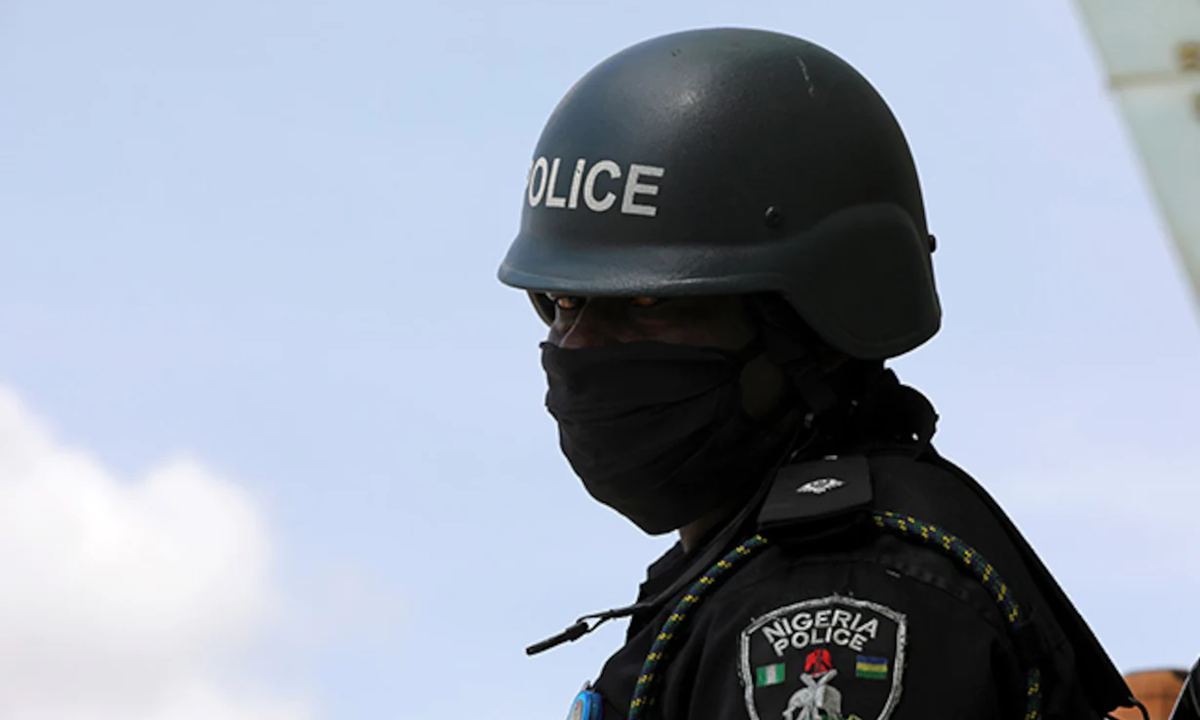
The constitutional amendment for the establishment of state police in Nigeria has secured the approval of 24 State Houses of Assembly, the two-thirds threshold required for constitutional alteration, the Presidential Working Group on the National Policing Bill has announced.
Chairman of the Presidential Working Group on the National Policing Bill, Femi Gbajabiamila, said in a statement in Abuja on Friday that the endorsement of the bill by 24 states was a significant milestone in the ongoing reform of Nigeria’s policing architecture.
Gbajabiamila, who is also the Chief of Staff to President Bola Tinubu, commended the state legislatures for supporting the reform, and the National Assembly for securing the passage of the amendment in both the Senate and House of Representatives.
The successful ratification by the required number of state assemblies, according to him, means the constitutional amendment can now be returned to the National Assembly for onward transmission to the President for assent.
“In line with Section 9 of the Constitution, the amendment can now be returned to the National Assembly for transmission to Mr President for assent,” he said.
The working group explained that the amendment, upon completion of the constitutional process, would provide the legal foundation for the dual policing arrangement envisaged under the proposed National Policing Bill, 2026.
It noted that the constitutional breakthrough would strengthen efforts to establish a policing framework under which federal and state police institutions would operate within clearly defined constitutional and legal boundaries.
The group also explained that work on the accompanying legislation was progressing according to schedule, with the draft National Policing Bill and related legislative proposals currently undergoing drafting review and validation at the Federal Ministry of Justice.
The ministry is expected to conclude the exercise and return the draft bills to the working group on or before Friday, October 30, 2026.
Upon the review, the group will give the proposed legislation final consideration before formally presenting the package to President Tinubu for further action.
Gbajabiamila added: “The Working Group’s efforts remain on track. The draft Bills are currently undergoing legislative drafting review and validation at the Federal Ministry of Justice and are expected to be returned on or before Friday, 30th October 2026.
“Thereafter, the Group will give them final consideration before presenting them to Mr President.”
The group asked political leaders, security institutions and other stakeholders to support the implementation process, stressing the importance of an orderly transition to a policing arrangement capable of addressing the country’s security challenges more effectively.
The development represents a major step in President Tinubu’s push for the establishment of state police as part of broader measures to strengthen internal security, improve local intelligence gathering and bring law enforcement closer to communities.
The Presidential Working Group was constituted to develop the legislative framework for the proposed reform, including the National Policing Bill and consequential amendments required to accommodate the new policing structure.

The group had submitted the draft National Policing Bill and 29 consequential bills to the Attorney-General of the Federation and Minister of Justice, Lateef Fagbemi, for legal review and validation.
Once the President assents to the bill, the states can then proceed to pass their own law on State Police Service .
Each state police service must be certified as meeting the national minimum standards before its police can become operational.
The National Assembly transmitted the Constitution Alteration Bill to the 36 State Houses of Assembly for consideration and approval on September 16, 2026.
Clerk to the National Assembly, Kamoru Ogunlana, said the state legislatures were expected to consider the bill within one month.
Although the Constitution does not prescribe a timeframe for state assemblies to respond, Ogunlana said the National Assembly expected them to communicate their resolutions within 30 days of receiving the bill.
He, however, clarified that the 30-day period was an administrative timeframe and not a constitutional deadline.
The National Assembly said it recognised the constitutional responsibility and independence of the State Houses of Assembly in considering the proposed amendments.
The State Police Bill was passed weeks earlier by both chambers of the National Assembly.
The National Assembly said it would proceed with the next steps after receiving the resolutions of the State Assemblies, while reaffirming its commitment to due process, institutional cooperation and compliance with the Constitution.
Meanwhile, there are indications that the proposed dual policing system may take off in the country within the next two months.
Speaking on Friday in Ikeja during the unveiling of the Kessington Adebutu Security Trust Fund building, Governor Babajide Sanwo-Olu of Lagos State stated that the initiative could come into effect before the end of this year or the first quarter of 2027.
“Possibly before the end of the year, or maybe in the first quarter next year, we will now have state police in every one of our states,” he remarked.
Sanwo-Olu said Lagos was looking forward to the implementation of state police, which he described as long overdue.
“We are excited, we are looking forward to the formation of the state police because we believe that it’s long overdue, and everything that we need to do to bring it to reality in Lagos once the approval is dropped,” the governor added.
The introduction of state police, he said, would increase the responsibilities of the Lagos State Security Trust Fund, particularly in providing funding, logistics and other support for the new security outfit.