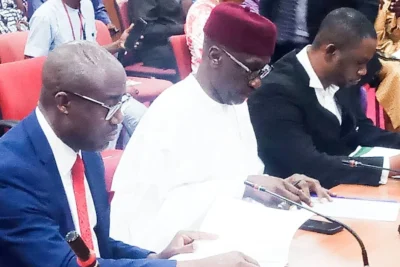

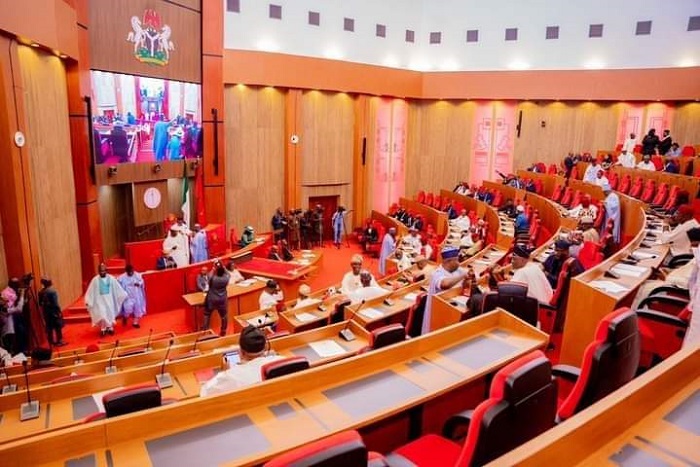
The Senate has directed the Nigerian Communications Commission (NCC) to investigate the billing practices of mobile network operators, including MTN Nigeria, Globacom, Airtel Nigeria and Etisalat over unjustified charges to subscribers.
It also called for regulations requiring operators to automatically reverse or refund airtime deducted from verifiably failed calls and qualifying network-related service interruptions.
This followed the adoption of a motion moved by Tahir Mungonu in plenary yesterday.
The lawmakers also passed the National Senior Secondary Education Act (Amendment) Bill, 2026, for third reading in plenary.
They further urged the NCC to establish an accessible and time-bound complaints and redress mechanism for subscribers seeking refunds or compensation over unjustified deductions and persistent service failures.
In addition, the commission was asked to conduct independent technical audits of operators’ billing systems to ensure that subscribers were charged only for actual and properly delivered call durations.
The Senate further urged the regulator to strengthen enforcement of Quality-of-Service standards and impose appropriate sanctions on operators whose persistent network deficiencies violate prescribed regulatory requirements.
It mandated its committee on communications to invite the NCC and relevant telecommunications operators to investigate the complaints, assess the financial losses suffered by subscribers and report back within four weeks, with recommendations for further legislative and regulatory action.
The NCC was equally asked to report to the Senate within four weeks on its investigation and proposed measures to address the problem.
Debating the motion which moved to stop telecommunications operators from deducting subscribers’ airtime for failed and interrupted calls, demanding automatic refunds and stricter enforcement of service quality standards, the Senate expressed concern over persistent complaints by telecommunications subscribers, who lose airtime on unsuccessful, interrupted and dropped calls, despite not receiving the services they paid for.
The lawmakers observed that network failures frequently compel subscribers to make repeated calls to establish successful connections, resulting in additional expenses, while abrupt disconnections, inaudible conversations and network interruptions further compound the financial burden.
They maintained that Nigerians should not be made to pay for telecommunications services that have not been effectively delivered, noting that seemingly small deductions translate into substantial financial losses when aggregated across millions of subscribers.
The Senate expressed particular concern about the impact on low-income earners, traders, students and small business operators, who spend significant portions of their income on airtime.
It recalled that the Nigerian Communications Act, 2003, empowers the NCC to regulate the telecommunications industry, protect consumers and enforce acceptable standards of service delivery.