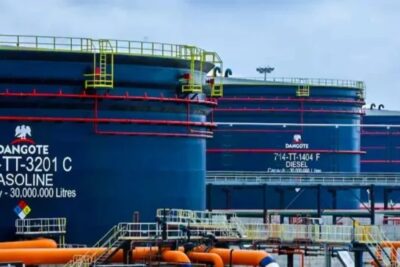


Kenyan presidential candidate, Patrick Osoi, has warned Africa’s richest man, Aliko Dangote, against rushing the proposed construction of a 700,000-barrel-per-day refinery in Kenya, declaring that the Nigerian billionaire would be forced out of the country if he becomes president in February 2027.
Osoi issued the warning in a video that started trending on Sunday, while addressing supporters at a Lions Movement event.
The presidential hopeful argued that Kenya has business people capable of establishing a refinery without depending on the Nigerian industrialist.
“I want to tell Aliko Dangote, please don’t rush to start the refinery because, when I’m sworn in as President of Kenya next year, you will be heading back to Nigeria,” he said.
“We Kenyans have business people who can start the refinery. We also have business people in this country who can do that job. This is what we stand for. This is the home of all movements,” Osoi added.
Osoi is a Kenyan military veteran, an intelligence officer and an entrepreneur who is currently seeking his nation’s presidency in 2027.
His comments come amid plans by Dangote to establish a $16 billion oil refinery in Lamu, Kenya, with a proposed processing capacity of 700,000 barrels of crude oil per day.
The project is expected to serve Kenya and other countries in the East African region, with the aim of strengthening local refining capacity and reducing dependence on imported petroleum products.
Dangote and Kenyan President William Ruto performed the groundbreaking ceremony for the project on 30 September 2026. The refinery is expected to take about 40 months to complete, according to reports surrounding the launch.
However, the project has faced opposition from some local residents over land ownership, compensation and environmental concerns.
A Kenyan court has also ordered the maintenance of the status quo in a land dispute involving the project.
Dangote’s proposed investment is among the major industrial projects expected to expand Africa’s refining capacity and strengthen regional energy security.