


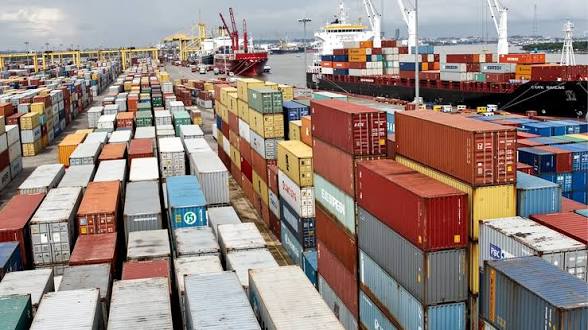
Nigerian importers are facing an estimated N58bn increase in shipping costs ahead of the Christmas season following the introduction of a $700 Peak Season Surcharge (PSS) per Twenty-foot Equivalent Unit (TEU) by French shipping giant, CMA CGM, on container shipments to Nigeria.
The additional charge, which applies to each TEU (the standard measurement for a 20-foot container), is expected to affect 60,416 TEUs, translating to an estimated $42m (about N58bn) in additional shipping costs. The development could further increase the financial burden on import-dependent businesses at a critical period when traders and manufacturers are building inventories to meet heightened consumer demand during the yuletide.
The latest increase comes less than three weeks after the shipping company announced a separate $350 surcharge per container on dry and refrigerated cargoes originating from China and its special administrative regions and destined for Nigeria, Côte d’Ivoire, Benin, Equatorial Guinea, Ghana and Togo.
Industry figures indicate that Nigeria receives an average of 250,000 containers annually, translating to approximately 20,800 containers monthly. The latest surcharge is therefore expected to place additional financial pressure on import-dependent businesses already contending with rising operational costs.
Besides its immediate impact on importers, the increase could trigger another round of price adjustments across the market as businesses pass the additional shipping expenses to consumers.
This could further weaken purchasing power, reduce profit margins and increase the cost of goods during the Christmas trading season.
A former Acting President of the Association of Nigerian Licensed Customs Agents (ANLCA), Dr Kayode Farinto, warned that the timing and scale of the surcharge could disrupt importers’ preparations for the festive period.
He explained that cargo traffic between October and December traditionally increases by at least 45 per cent as traders and manufacturers import additional merchandise to take advantage of higher consumer demand.
According to him, the introduction of another substantial shipping charge during this period could force importers to reconsider their shipping arrangements, reduce cargo volumes or transfer the additional costs to consumers through higher retail prices.
Farinto, however, acknowledged that international shipping companies were also facing rising operational expenses arising from geopolitical tensions and insecurity along major maritime routes, particularly the Red Sea.
He noted that attacks and threats by Houthi militants had forced some shipping lines to divert vessels around the Cape of Good Hope in southern Africa, increasing sailing distances, voyage duration and fuel consumption.
The diversions have added to the operating expenses of shipping companies, contributing to higher freight charges and surcharges imposed on cargo movements.
For Nigerian businesses, however, the latest increase presents another challenge at a time when importers are preparing for one of the busiest trading periods of the year, with the potential consequences extending beyond the maritime industry to manufacturers, distributors, retailers and ultimately consumers.