

The Federal Government has granted pharmaceutical manufacturers N24bn in tax waivers within two years, intensifying efforts to expand local drug production, reduce dependence on imported medicines and improve access to essential healthcare products.
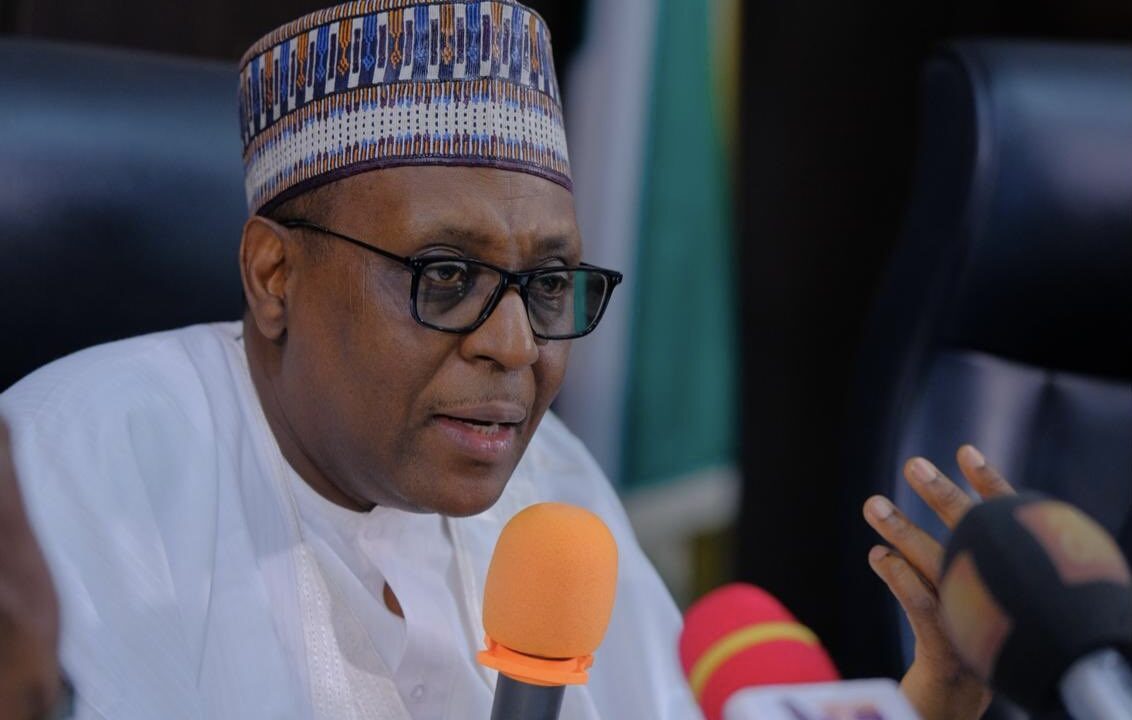
The Coordinating Minister of Health and Social Welfare, Prof. Muhammad Ali Pate, disclosed this on Tuesday at the third Nigeria Health Sector Joint Annual Review in Abuja, describing the incentives as part of broader reforms aimed at strengthening the country’s pharmaceutical manufacturing capacity.
According to Pate, the tax relief was facilitated by an Executive Order signed by President Bola Tinubu in 2024 to stimulate investment across Nigeria’s healthcare value chain.
He said the intervention had supported pharmaceutical manufacturers with N24bn in tax waivers between 2025 and 2026.
In addition, the minister also disclosed that the government had commissioned 10 factories and manufacturing lines, six of which became operational in 2026.
The facilities cover the production of pharmaceuticals, rapid diagnostic tests, long-lasting insecticidal nets and medical oxygen.
Nigeria has also secured 12 technology-transfer agreements, with a prospective investment pipeline exceeding $5bn, signalling growing interest in the country’s healthcare manufacturing sector.
However, Pate said the priority was to translate the proposed investments into functioning businesses capable of producing safe, effective and affordable healthcare products while generating employment for Nigerians.
He stressed that expanding local production would require more than investment commitments, stating that manufacturers needed reliable demand and a strong regulatory environment to sustain their operations.
The minister identified the National Agency for Food and Drug Administration and Control’s efforts to combat falsified medicines as critical to building confidence in locally manufactured pharmaceutical products.
He also disclosed that the government was working to operationalise Medipool, a group purchasing organisation designed to consolidate demand for medicines and other health commodities while improving public-sector procurement.
Meanwhile, the Minister of State for Health and Social Welfare, Dr Iziaq Salako, said the share of medicines produced locally had increased significantly, rising from 30 per cent in 2023 to 50 per cent in 2026.
He attributed the improvement to ongoing government reforms and investments in the health sector.
Salako added that data from the Pharmaceutical Group of the Manufacturers Association of Nigeria and NAFDAC indicated an approximately 10 per cent increase in the number of active local pharmaceutical companies.
The development comes amid sustained efforts to strengthen Nigeria’s healthcare value chain and reduce its vulnerability to disruptions in the international pharmaceutical supply market.